The History of Chopsticks
5,000 years of the world's most versatile utensil.
Few objects have remained so unchanged for so long. The chopstick - in its simplest form, just two slender sticks - has been in continuous use for over 5,000 years. Today around 1.5 billion people use them daily across China, Japan, Korea, Vietnam, and beyond. But where did they come from, how did they spread, and why did they win out over every other utensil? Here's the full story.
Ancient Origins: China, 3,000 BC
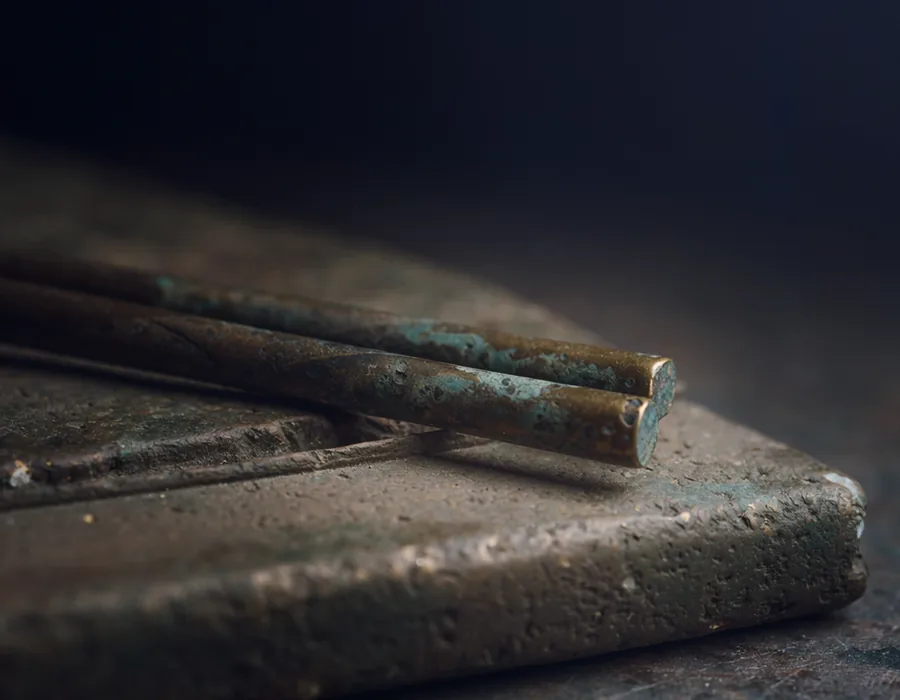
The earliest evidence of chopstick use dates back to around 3,000 BC in China, though archaeologists believe they may have been in use even earlier. The oldest surviving examples - a set of bronze chopsticks unearthed at the Ruins of Yin in Henan Province - date to approximately 1,200 BC during the Shang Dynasty.
Crucially, these early chopsticks weren't used for eating at all. They were cooking tools - long, fire-resistant twigs used to stir pots, serve food, and tend fires without burning the hands. Think of them as the original tongs rather than the eating utensils we know today.
The shift from kitchen tool to table utensil is thought to have happened gradually over the following centuries, driven largely by a practical change in how food was prepared. As China's population grew, fuel became increasingly scarce and expensive. Cooks adapted by chopping food into smaller pieces that would cook faster, using less firewood. Smaller pieces of food meant knives and forks at the table became largely redundant - chopsticks were perfectly suited to picking up bite-sized morsels.
The Confucian Influence
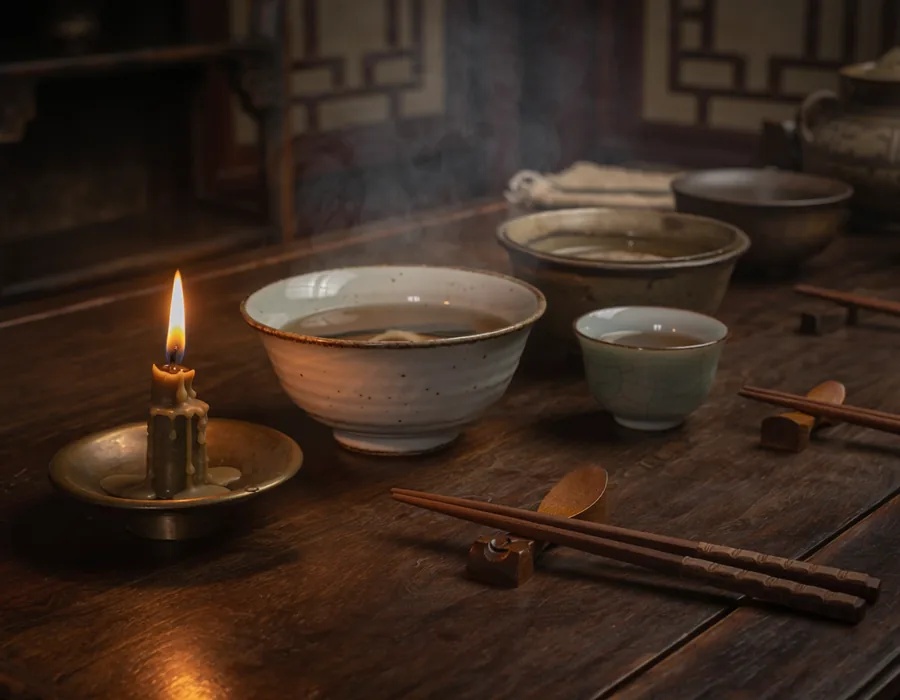
No story of chopstick history is complete without Confucius, the philosopher whose ideas shaped Chinese society from around 500 BC onwards. Confucius expressed a strong preference for harmony and civility at the dining table, and is often associated with the idea that knives - symbols of violence and slaughter - should be kept away from meals.
His teachings actively promoted chopstick use as the civilised alternative, and given the enormous influence Confucian philosophy had across East Asia, this cultural push helped cement chopsticks as the utensil of choice across the region for centuries to come.
Spreading Across Asia
By around 500 AD, chopstick use had spread significantly beyond China. Japan adopted them during the Nara period (710-794 AD), initially reserving them for religious ceremonies before they became part of everyday dining. Korea and Vietnam followed, each developing their own distinct chopstick traditions and styles.
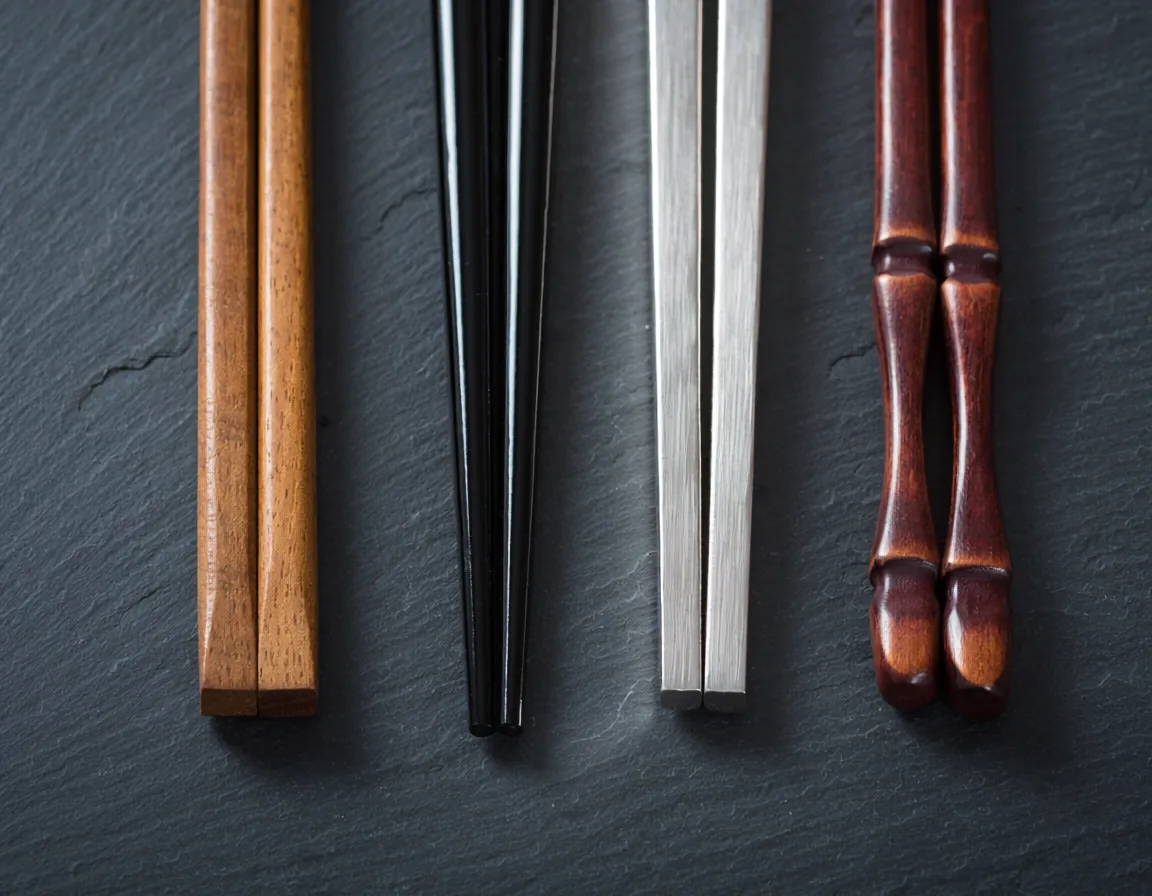
Interestingly, each culture put its own stamp on the design:
Chinese chopsticks are the longest of the main styles, typically around 25-30 cm, with blunt squared-off ends. They're designed to reach across large communal sharing dishes at the centre of the table - a central feature of Chinese dining culture.
Japanese chopsticks are shorter and more tapered, coming to a fine point. This reflects the Japanese tradition of eating fish, where precision is needed to navigate small bones. They're also traditionally lacquered in decorative styles and are more likely to be made from wood or bamboo.
Korean chopsticks are perhaps the most distinctive - flat and rectangular in cross-section rather than round, and traditionally made from metal (usually stainless steel or, historically, silver). Metal chopsticks are heavier and require a slightly different grip technique, but were considered more hygienic and durable. Silver was particularly prized by Korean royalty as it was believed to tarnish in the presence of poison - a useful property when assassination was an occupational hazard.
Vietnamese chopsticks tend to be similar to Chinese ones but are often slightly shorter and more tapered, and are commonly made from lacquered wood.
Materials Through the Ages
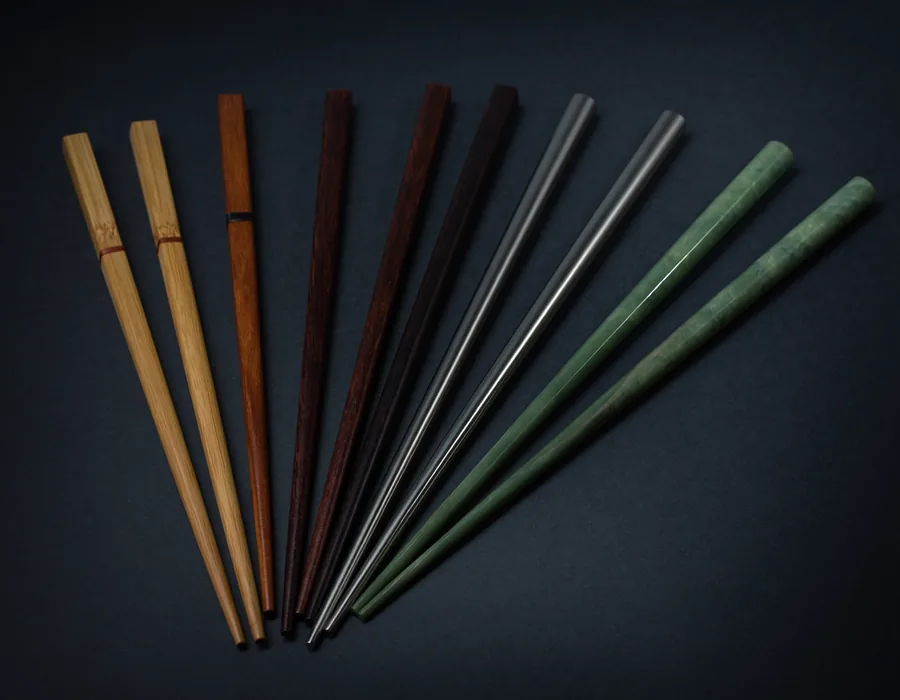
The materials used to make chopsticks have shifted dramatically across history, often reflecting the social status of the owner.
The earliest chopsticks were simple twigs or bamboo - readily available, free, and functional. Bamboo remains one of the most common materials today for the same reasons: it's sustainable, lightweight, and doesn't conduct heat.
As craft and wealth developed, so did chopstick materials:
- Bronze and brass - used in ancient China, particularly by the elite
- Jade - a luxury material associated with status and beauty in Chinese culture
- Ivory - highly prized but now widely banned due to conservation concerns
- Silver - popular in Korean royal courts, believed to reveal poison
- Gold - reserved for emperors and the highest nobility
- Lacquered wood - elaborate decorative lacquerwork became an art form, especially in Japan and Vietnam
- Porcelain and bone - used in some regional traditions
- Modern materials - stainless steel, melamine, fibreglass, and titanium for the very expensive end of the market
Today, China alone produces an estimated 80 billion disposable wooden chopsticks per year - a figure that has raised significant environmental concerns and prompted campaigns encouraging people to carry their own reusable pairs.
Chopsticks Reach the West
Chopsticks first arrived in Western Europe through trade routes in the 16th and 17th centuries, brought back by Portuguese and Dutch merchants as curiosities. They were regarded as exotic novelties and featured in accounts of East Asian life, but didn't gain any practical foothold.
It wasn't until Chinese immigration to America in the mid-19th century - particularly during the California Gold Rush and the construction of the Transcontinental Railroad - that chopsticks began to appear regularly in Western settings, in the form of Chinese restaurants catering to immigrant communities.
The real turning point in the West came in the latter half of the 20th century, as Japanese and Chinese restaurants became mainstream across Europe and North America. By the 1980s and 90s, learning to use chopsticks had become something of a rite of passage for Western diners - a sign of cultural adventurousness and sophistication.
Chopsticks Today
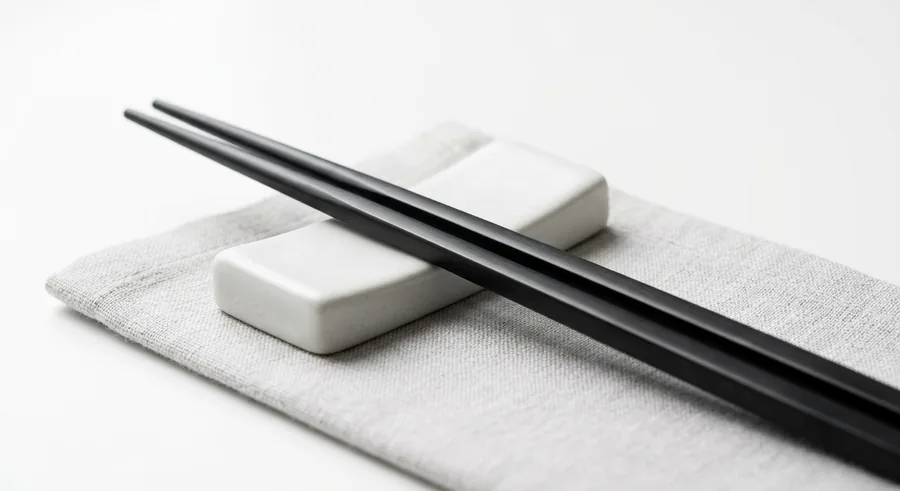
Chopsticks today are used daily by an estimated 1.5 billion people, making them arguably the most widely used eating utensil on the planet. They appear in haute cuisine and street food stalls alike, have become a symbol of East Asian culture worldwide, and continue to evolve - with modern designers experimenting with ergonomic shapes, sustainable materials, and even connected smart chopsticks designed to detect salt and sugar levels in food.
From a cooking twig used beside an ancient Chinese fire to a globally recognised cultural icon, the chopstick's 5,000-year journey is one of the most quietly remarkable stories in human history.
And if you want to know 101 other things you can do with one, you're in the right place.